Understanding Wärmepumpen: Types and Benefits
As global energy costs rise alongside increasing environmental concerns, the quest for efficient heating solutions has never been more pressing. Enter the Wärmepumpe, or heat pump, a technology that converts ambient energy from air, water, or ground sources into heat for residential and commercial use. When exploring options, wärmepumpe kaufen can be a transformative decision for homeowners. This article dives into the various types of Wärmepumpen, their operational mechanisms, and their multifaceted benefits.
What is a Wärmepumpe and How Does It Work?
A Wärmepumpe is a device that transfers heat energy from one place to another using a refrigeration cycle, typically involving gas and liquid phases. In simpler terms, it extracts heat from the environment—even in colder temperatures—and uses it to heat a space. While traditional heating systems consume fossil fuels, Wärmepumpen utilize renewable energy, making them a sustainable choice for modern heating needs.
Types of Wärmepumpen: Air, Water, and Ground Source
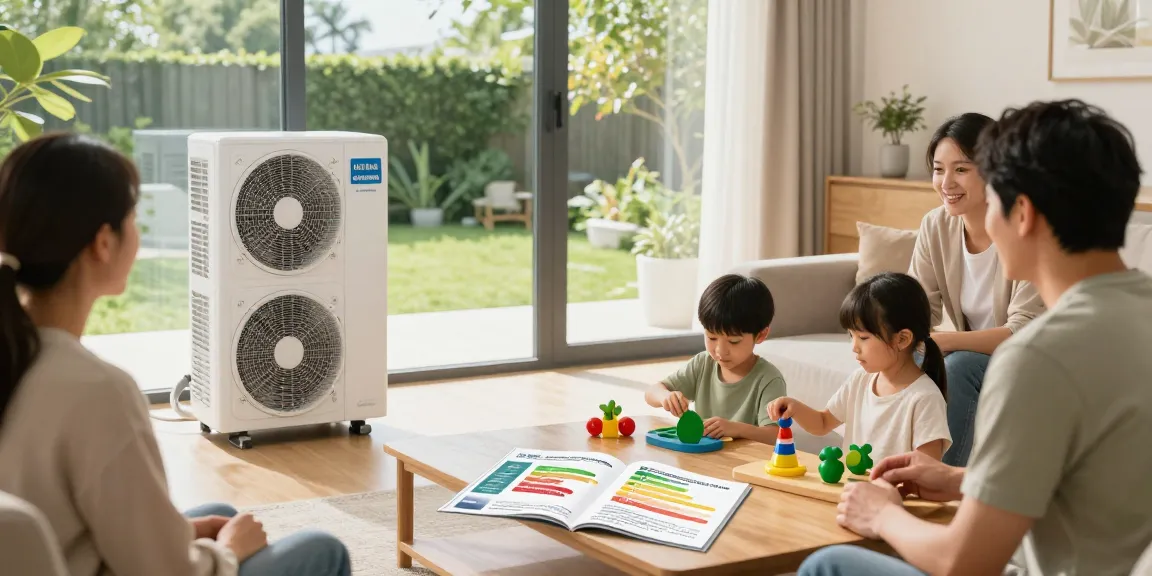
- Air Source Wärmepumpen: These are the most common types, drawing heat from the air outside your home. They are relatively easy to install and are ideal for moderate climates.
- Water Source Wärmepumpen: These systems use water bodies (lakes, rivers, or underground aquifers) as a source of heat. They are highly efficient but require proximity to a suitable water source.
- Ground Source Wärmepumpen: Also known as geothermal heat pumps, these systems harvest heat from the ground. Although installation is more complex and costlier, their efficiency often outweighs the initial investment in the long run.
Environmental and Economic Benefits of Using Wärmepumpen
Adopting a Wärmepumpe can significantly reduce a home’s carbon footprint. Since they utilize renewable energy sources, they contribute to lower greenhouse gas emissions. Additionally, Wärmepumpen can lower energy bills substantially compared to traditional heating systems. Although the upfront costs can be higher, many homeowners find that they recover these costs over time through savings on energy expenses.
Key Considerations When Buying a Wärmepumpe
Factors to Assess: Size, Efficiency, and Technology
When purchasing a Wärmepumpe, understanding the required capacity is crucial. The size of the pump must be appropriate for the space it will serve. This includes calculating the heat load, which varies based on factors like insulation quality, square footage, and local climate conditions. Efficiency ratings, such as the Seasonal Energy Efficiency Ratio (SEER) for cooling and the Heating Seasonal Performance Factor (HSPF) for heating, should also be considered.
Installation Costs and Long-term Savings
Installation costs for Wärmepumpen can vary widely based on the type of system and local regulations. On average, homeowners might expect to pay between $15,000 to $25,000, including installation. However, this cost is often mitigated through government subsidies and tax incentives aimed at promoting renewable energy technologies.
Understanding Local Regulations and Incentives for Wärmepumpen
Before committing to a Wärmepumpe, it is vital to research applicable local regulations and available incentives. Many regions offer financial assistance for installing energy-efficient systems, which can help offset initial costs significantly. Additionally, some areas have specific guidelines regarding installation, which should be adhered to in order to ensure compliance.
Common Misconceptions About Wärmepumpen
Addressing the Myth of High Installation Costs
It is a common misconception that Wärmepumpen are prohibitively expensive to install. While initial costs may be higher compared to conventional systems, the long-term savings on energy bills and potential subsidies can render them a wise investment.
Performance Challenges in Cold Climates
Another prevalent myth is that Wärmepumpen cannot operate efficiently in colder climates. Modern air-source Wärmepumpen are designed to function in low temperatures, and with advancements in technology, they can still provide effective heating even when temperatures plummet.
Debunking Myths About Maintenance and Reliability
Some homeowners believe that Wärmepumpen require excessive maintenance. In reality, they can be quite reliable and require only regular upkeep to ensure optimal performance. This includes checking filters, seasonal servicing, and ensuring no debris obstructs the outdoor unit.
Maximizing Efficiency: Best Practices for Operating a Wärmepumpe
Optimal Settings for Different Seasonal Conditions
To maximize the efficiency of your Wärmepumpe, it is important to adjust the settings based on seasonal changes. In winter, higher settings may be necessary to maintain comfort, while in summer, you can lower the temperature to enhance cooling efficiency.
Regular Maintenance Tips for Longevity
Regular maintenance is key to extending the lifespan of your Wärmepumpe. This includes cleaning filters every few months, ensuring the outdoor unit is free from obstructions, and scheduling professional check-ups at least once a year to address any potential issues.
Enhancing Energy Efficiency with Smart Home Technology
Incorporating smart home technology can significantly enhance the efficiency of your Wärmepumpe. Programmable thermostats and home automation systems enable you to optimize energy usage based on your daily schedule, effectively reducing overall energy consumption.
Future Trends in Wärmepumpen Technology
Innovations Driving the Wärmepumpe Market in 2026
As technology evolves, the Wärmepumpe market continues to innovate. Future trends include improved efficiency ratings, advanced refrigerants with lower Global Warming Potential (GWP), and enhanced controls that integrate with smart home systems.
Impact of Renewable Energy Sources on Wärmepumpen
The increasing integration of renewable energy sources like solar and wind into the electricity grid will further enhance the appeal of Wärmepumpen. Using these energy sources to power heat pumps will likely reduce operating costs and environmental impact.
Predictions for Consumer Adoption and Market Growth
Given the growing emphasis on sustainability and energy efficiency, consumer adoption of Wärmepumpen is expected to accelerate in the coming years. As awareness increases and more incentives are offered, more homeowners will likely transition to this eco-friendly heating solution.
What are the costs associated with buying a Wärmepumpe?
The costs for purchasing a Wärmepumpe can range significantly based on the type, brand, and installation requirements. Potential users should budget for both the purchase price and the installation, while considering tax incentives that may apply.
How does a Wärmepumpe compare to traditional heating systems?
Compared to traditional heating systems like gas or oil furnaces, Wärmepumpen generally offer greater energy efficiency and reduced greenhouse gas emissions. While the initial investment may be higher, the long-term savings on energy costs can often justify the expense.
What should I consider when choosing a Wärmepumpe?
Key considerations include the type of heat pump suitable for your climate, the size required for your space, efficiency ratings, and available incentives. It's also important to assess installation costs and choose a reputable provider.
Are there government incentives for installing a Wärmepumpe?
Many governments offer financial incentives such as tax credits, rebates, or grants to encourage the adoption of Wärmepumpen. Researching these opportunities can help offset the initial investment required for installation.
Can a Wärmepumpe work efficiently in colder climates?
Yes, modern Wärmepumpen are designed to work efficiently even in colder climates. They have been engineered to extract heat from the air or ground at lower temperatures, although performance can vary based on system design and installation quality.